
Comfort-first style: how to build a relaxed wardrobe that still feels put together

Comfortable clothing has moved far beyond old T-shirts and stretched-out leggings. With smart fabrics and thoughtful cuts, it is possible to feel relaxed and still look polished enough for work, errands or dinner.
Instead of chasing trends that only work for a season, building a comfort-first wardrobe is about finding pieces that feel good on your body, mix easily, and match your lifestyle and budget.
Start with fabrics that actually feel good
Fabric is the foundation of comfort. Natural fibers like cotton, linen, bamboo viscose and merino wool usually feel breathable and soft, especially in warm or changeable weather. They help regulate temperature and reduce that sticky, trapped feeling.
Modern blends can be just as pleasant. Look for cotton with a bit of elastane, Tencel blends, or technical knits that have stretch without feeling synthetic. When shopping online, zoom in on texture and check product descriptions for weight and fabric composition, not just the style name.
Prioritise ease of movement
Clothes that pull, dig in or restrict movement rarely get worn. Pieces cut with a bit of ease around the shoulders, waist and hips usually feel more comfortable and tend to drape better. Boxy is not the only option, though, relaxed tailoring can still follow your shape without clinging.
Try simple movement tests when you can: sit down, reach forward, raise your arms, and crouch slightly. If a waistband pinches or a seam strains, it will likely bother you after an hour of wear, even if it looks fine in the mirror.
Choose forgiving waistbands and smart lengths
Waistbands make a big difference to long-term comfort. Elasticated or partially elastic waists, soft drawstrings, and high-rise cuts that sit where your body naturally bends can all reduce pressure points. Many trousers now combine a smooth front with stretch at the back for a neater look.
Pay attention to length as well. Cropped trousers that hit at the ankle, skirts that allow you to walk freely, and sleeves that do not ride up when you bend your arms all contribute to a relaxed feel without looking sloppy.
Build a small base of mixable pieces

A comfort-first wardrobe does not need to be huge. A modest mix of core pieces can cover most casual and semi-polished situations if they work together. Neutral or muted tones are easier to pair, but you can layer in colour with knitwear, shirts or accessories.
- Soft structured trousers or tailored joggers in one or two neutral shades
- Breathable T-shirts with a smooth finish and a neckline you like
- A relaxed blouse or shirt in cotton or Tencel for a more refined look
- A knit cardigan or lightweight sweater for changing temperatures
- Comfortable flat or low-heel shoes that suit your climate
Once these pieces are in place, you can add prints, bolder colours or seasonal items without losing the comfort you rely on.
Lean on simple structure, not stiffness
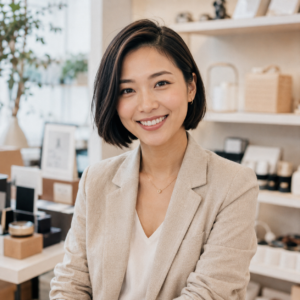
Looking put together is often about structure, not hardness. A soft blazer in jersey or ponte fabric, a shirt jacket, or a chore-style jacket can frame your silhouette while still feeling as relaxed as a sweatshirt.
Similarly, wide-leg trousers in a heavier drape fabric can feel as comfortable as pyjama bottoms but appear much more refined. The goal is fluid lines that skim the body, rather than rigid, overly sharp pieces that you cannot wait to take off.
Pay attention to footwear and underlayers
Comfortable clothing loses its appeal if your feet or underlayers are digging in. Look for shoes with cushioned insoles, stable soles and room in the toe box. Soft leather, good quality faux leather, or fabric uppers often adapt better to your foot shape over time.
For underlayers, breathable bras, bralettes or binders that fit correctly, and underwear that stays in place without tight elastic can change how every other piece feels. If a garment needs special, uncomfortable undergarments to work, it might not earn a spot in a comfort-first wardrobe.
Adapt for seasons without starting from scratch

Seasonal comfort is mostly about layers and fabric weight. In warmer months, lighter cotton, linen and moisture-wicking blends help you stay cool. Loose, airy shapes that let air pass through tend to feel more pleasant than very close-fitting cuts.
In cooler weather, thin base layers, merino knits and lined trousers let you stay warm without piling on bulky pieces. A comfortable, mid-weight coat or padded jacket that fits easily over your relaxed layers is a practical investment that gets heavy use each year.
Set a realistic budget and shop intentionally
Upgrading towards comfort does not have to mean replacing everything at once. Start by identifying the items that currently bother you most, like a scratchy sweater or rigid jeans, then focus on better versions of those pieces first.
Consider cost per wear when deciding what to spend more on. Trousers you wear several times a week, or shoes that support your feet for hours, may justify a higher budget. Trend-led pieces that you only plan to wear occasionally can usually be more affordable.
Use small details to keep relaxed looks polished
Comfortable dressing can still feel intentional with a few small touches. A neat roll at the hem, a front tuck of a T-shirt, or a clean, simple belt can add shape without reducing comfort. Choosing one or two accessories like a watch, earrings or a soft scarf can also finish a look quickly.
Most importantly, let your own comfort be part of your style identity. Clothing that feels good and works for your life is often the most confident and attractive choice you can make.





0 comments